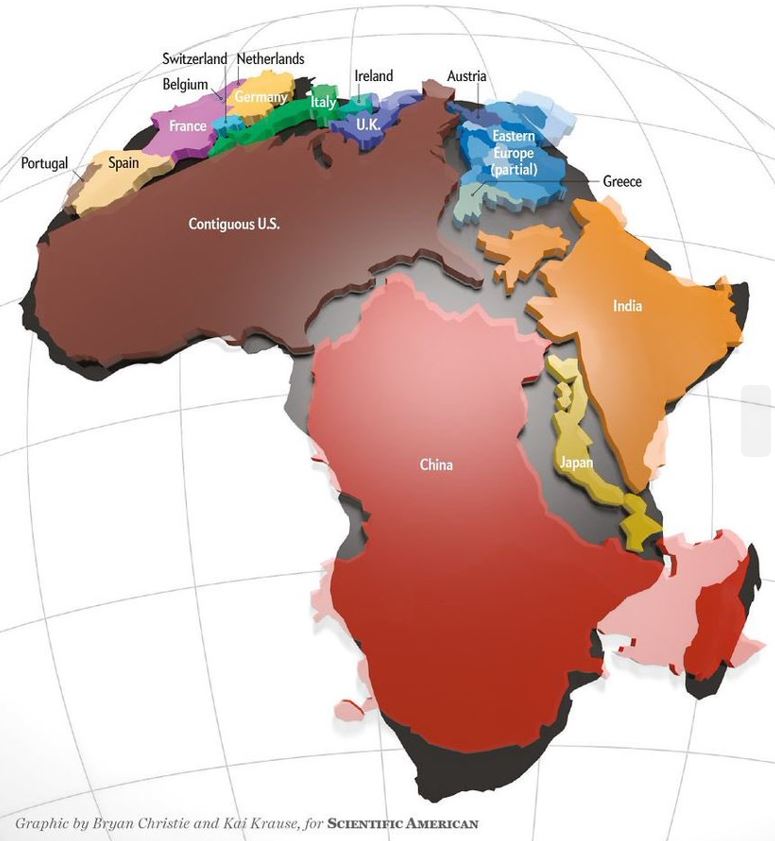
Let’s start with a simple question: do you teach African history in your curriculum? If the answer is yes, then let’s push it further. How much African history do you teach? Is the only topic you cover the transatlantic slave trade? Don’t misunderstand me – it is essential to teach the history of transatlantic slavery – but if we are going to diversify the history curriculum at all stages we need to make sure that we are offer greater breadth, chronologically and geographically, so we don’t leave our students thinking that the entire history of a continent of 54 countries was dominated by slavery. After all, you wouldn’t feel that students had learned everything they needed to know about the past millennium of European history by solely studying the Nazis. So, if you are interested in developing greater breadth in teaching African history, this blog offers some suggestions and resources that will help you to achieve that.
It’s A Continent – Podcast, Book, and Website
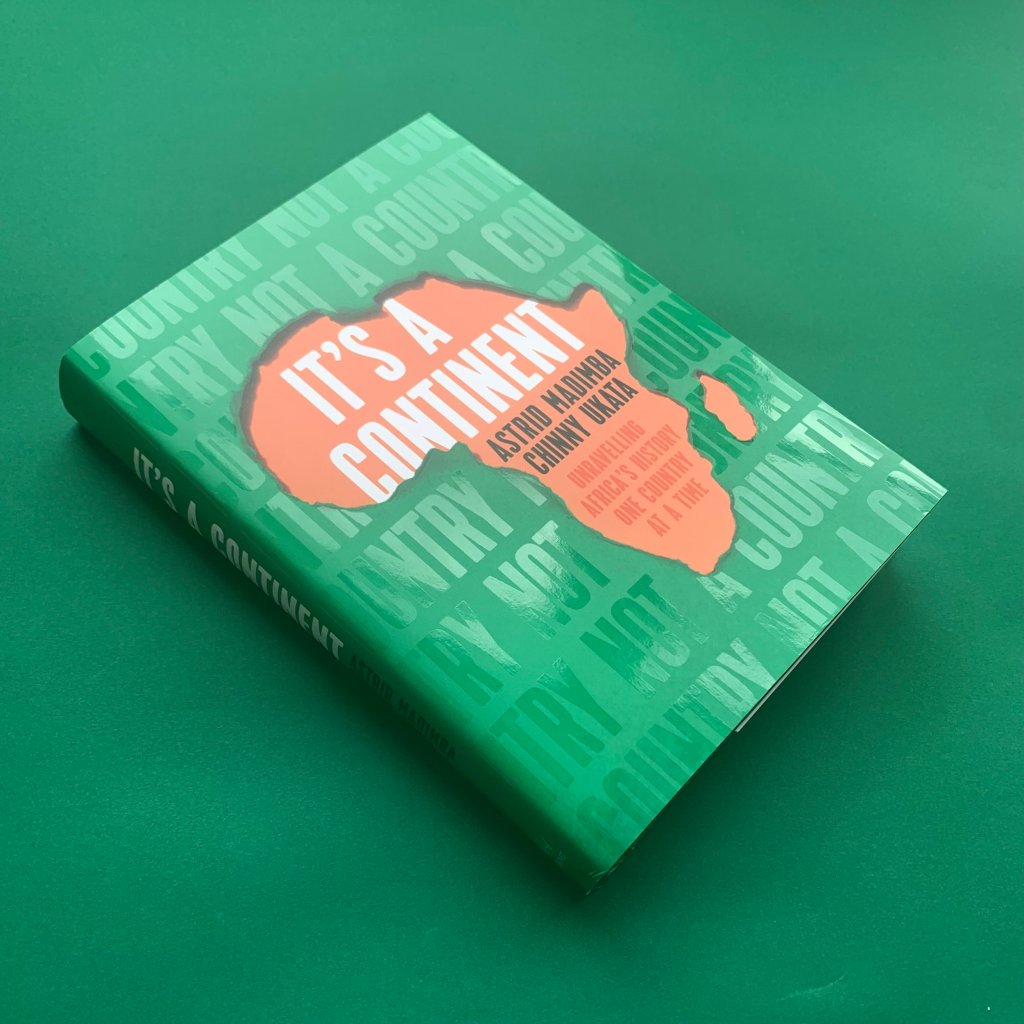
Let’s start with a shout-out for authors and podcasters Astrid Madimba and Chinny Ukata for their fantastic It’s A Continent collection. In 2020 they launched their podcast (which is in its 5th season) and website. Their style, which mixes analysis, insight and sharp humour, makes this binge-worthy stuff. The strap line to the podcast is “decolonising history, one country at a time.” They regularly challenge stereotypes and misconceptions about Africa, deconstructing them with relish.
In 2022 they published a book of the same name. The book has one punchy essay on every African country, covering an aspect of its history and politics, so it provides an excellent starting point for possible content to teach. It is genuinely the best way to boost your general knowledge of Africa in around 250 pages, and the references and footnotes provide plenty of follow up reading. I strongly recommend treating yourself to a copy.
Changing Perceptions – Mansa Musa
One of the myths that needs to be dismantled is that Africa had no culture or civilization prior to the arrival of white Europeans. This has been propagated by people like the renowned philosopher David Hume, who believed all non-white species of men (or, specifically, the “four or five kinds” of other race) to be “naturally inferior” to whites, because there:
“never was a civilized nation of any other complexion than white, nor even any individual eminent either in action or speculation. No ingenious manufactures amongst them, no arts, no sciences.”
Clearly, Hume had never come across Mansa Musa, who is often cited as the wealthiest man who ever lived. The Mansa ruled the Malian Empire from circa 1312-37 CE, centred on the capital Timbuktu, which has since acquired a status that many think (incorrectly) to be mythological. Indeed, the Mansa is believed to have owned half of the known gold in the world and his generosity almost crashed the north African economy, particularly in his spectacular pilgrimage to Mecca in 1324. He used much of his wealth on education and established Sankore University.
There is so much to unpack in this topic, and it works brilliantly at both primary and secondary levels. I teach it to give students an understanding of how advanced Africa was at the same time that Wallace and Bruce were fighting Edward I and II. This schematic knowledge helps students understand how different – and successful – West Africa was prior to the arrival of Europeans.
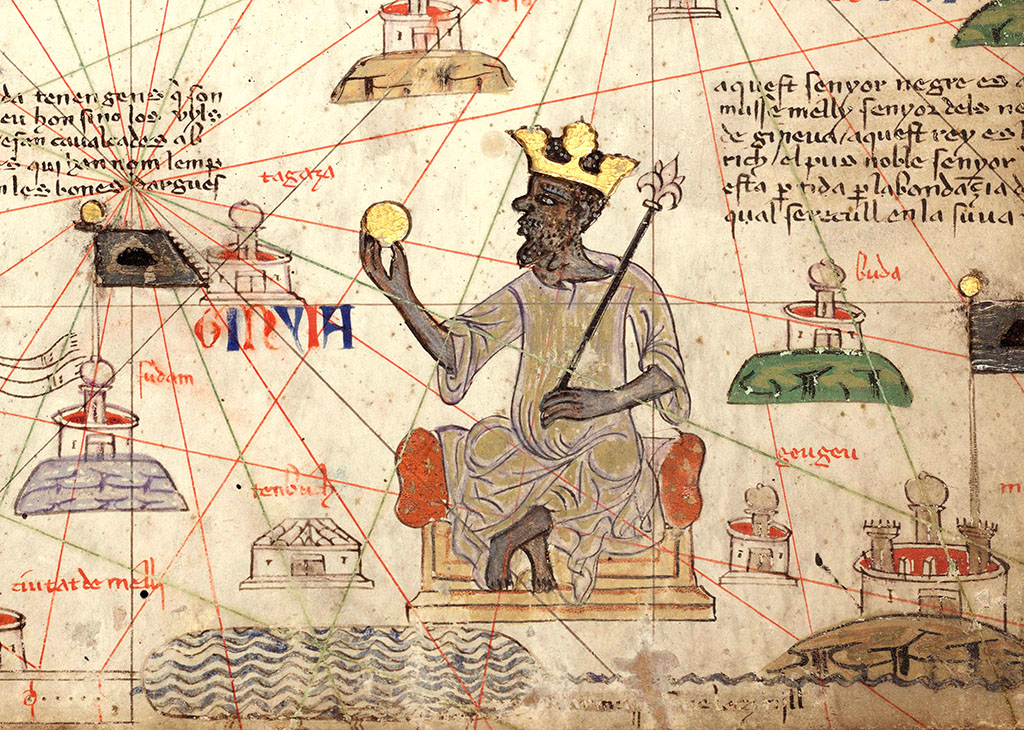
So if the Ancient Egyptians is the only way in which your curriculum has some pre-modern African content, then I recommend introducing a unit on Mansa Musa. It’s a brilliant period to teach and, crucially, provides a positive narrative about African history which can help to shift perceptions amongst learners from what they hear in the modern media.
Understanding the Modern Middle East – Gamal Abdel Nasser
I taught Nasser for Paper 2 in the IB Diploma and I think it’s essential for students to learn the significance of post-war Egypt. Nasser is a huge figure in shaping the post-colonial politics of the region, and also global politics as a co-founder and leader of the non-aligned movement. I would argue that you can’t really understand the modern Middle East without starting with him. He provided a template for other secular, republican, military leaders that followed, and gave other Arab nations the confidence that they could challenge the colonial powers and the West. The Suez Crisis of 1956 and the Six Days’ War of 1967 are also crucial to understand if you are trying to get students to understand what is happening in the region now.
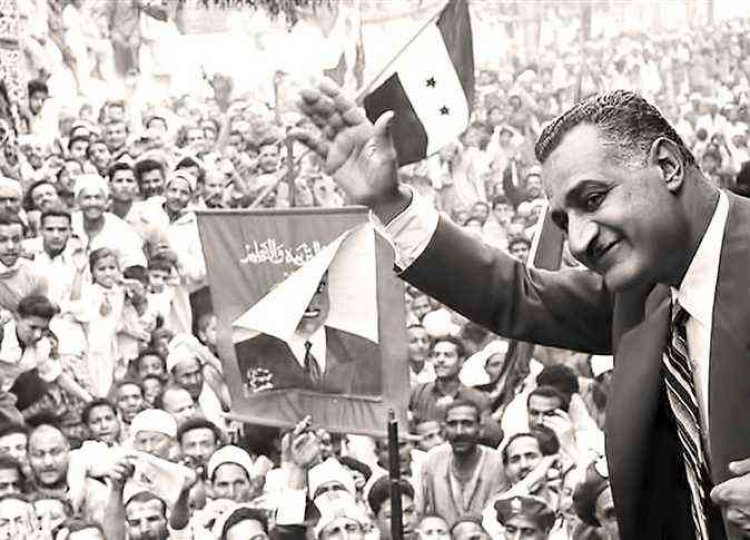
Yet Nasser is strangely overlooked (outside of the IBDP), and I’m guessing that where any schools are teaching Egyptian history it probably involves the building of pyramids. This is a significantly missed opportunity. There is so much to be covered here, such as the cultural significance Egypt holds for the Middle East in terms of music and film, as well as the economic importance of the Suez Canal for global trade. Given that Nasser’s rise to power and his rule covers an 18 year period, it isn’t hard to structure this as a scheme of work which looks at political, economic and cultural themes.
Righting a Wrong – The Namibian Genocide
This is a topic I feel very strongly about. The Namibian genocide, conducted under the rule of Kaiser Wilhelm II, is so overlooked that even the United States Holocaust Memorial Museum cites the Armenian genocide (which happened a decade later) as the first genocide of the 20th century. I taught the old A Level From Kaiser to Fuhrer A2 unit, and was also an examiner for it, so I feel that I can say with some authority that this course (and all others like it) should absolutely have included what happened in Namibia as a prerequisite to understanding the origins of the Holocaust.
If you want to know why, I strongly recommend reading David Olusoga and Casper Erichsen’s book ‘The Kaiser’s Holocaust: Germany’s Forgotten Genocide’. The authors powerfully demonstrate both how Wilhelmine Germany bears responsibility for atrocities like Shark Island (arguably the world’s first death camp), but also how this fed into the ideology that would become Nazism. Josef Mengele, the ‘Angel of Death’, studied under ‘scientists’ who developed their theories of ‘racial hygiene’ on Namibian genocide victims.

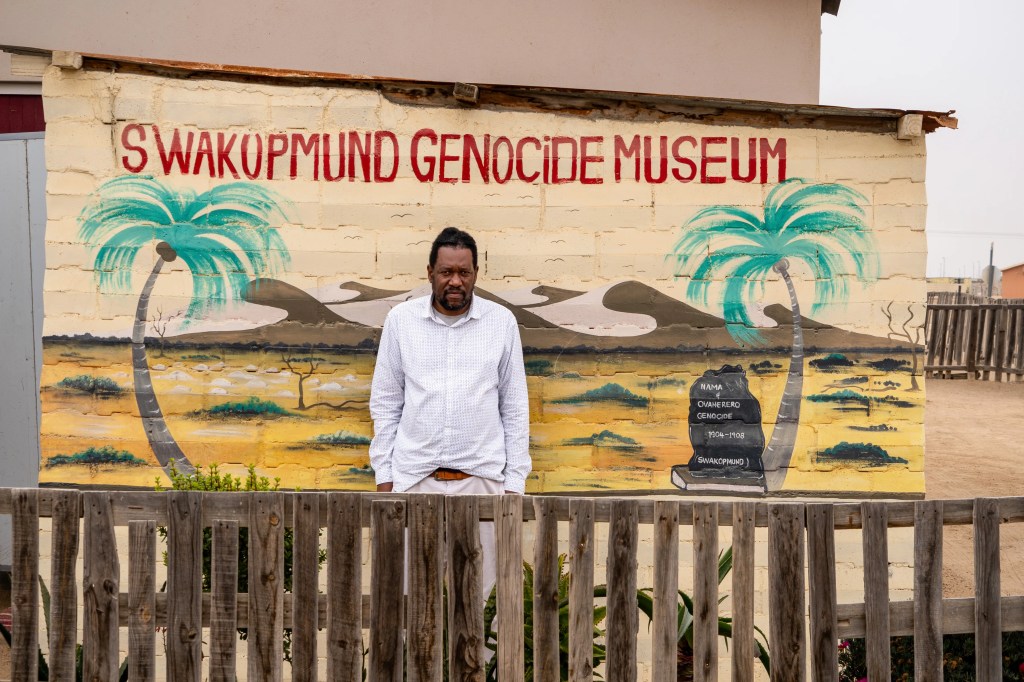
The Economist has covered the modern day consequences of the Namibian genocide, and the apology and reparations debate between Germany and Namibia, in a number of articles, but this one earlier in 2024 caught my eye. The Swakopmund Genocide Museum is the only one of its kind, and it is run by an extraordinary man called Laidlaw Peringanda (pictured below). It has a Facebook page that you can follow. I think this tells you all you need to know about why we must do more to teach students about what happened in German South West Africa just before the First World War. We owe it to the Herero and Nama victims (who numbered 80% and 50% of their total populations respectively) to ensure that their stories are never lost, even if their bones lie exposed in the desert, without a dignified burial.
African History and Literature – Reading Suggestions
One of the best things about delving into African history is that you will find an abundance of literature that will deepen your contextual understanding of the topics you choose. Here are five fiction books I really enjoyed, which all helped to provide me with a stronger understanding of African culture and history. (The hyperlinks are all to Good Read reviews.)
- Purple Hibiscus – Chimamanda Ngozi Adichie (Nigeria)
- Stay With Me – Ayọ̀bámi Adébáyọ̀ (Nigeria)
- Homegoing – Yaa Gyasi (Ghana and America)
- The First Woman – Jennifer Nansubuga Makumbi (Uganda)
- Disgrace – JM Coetzee (South Africa)
So if you are planning some holiday reading, I can strongly recommend these. African literature is definitely a rabbit hole you want to disappear down.
Photo credit: the cover image for this blog was produced by Scientific American, and thanks to @IndiaTales7 for sharing it as part of a brilliant thread on X.

 @robin_macp